

Ditching f/2.8: How the 24-105mm f/4 Streamlined My Pro Photography Workflow
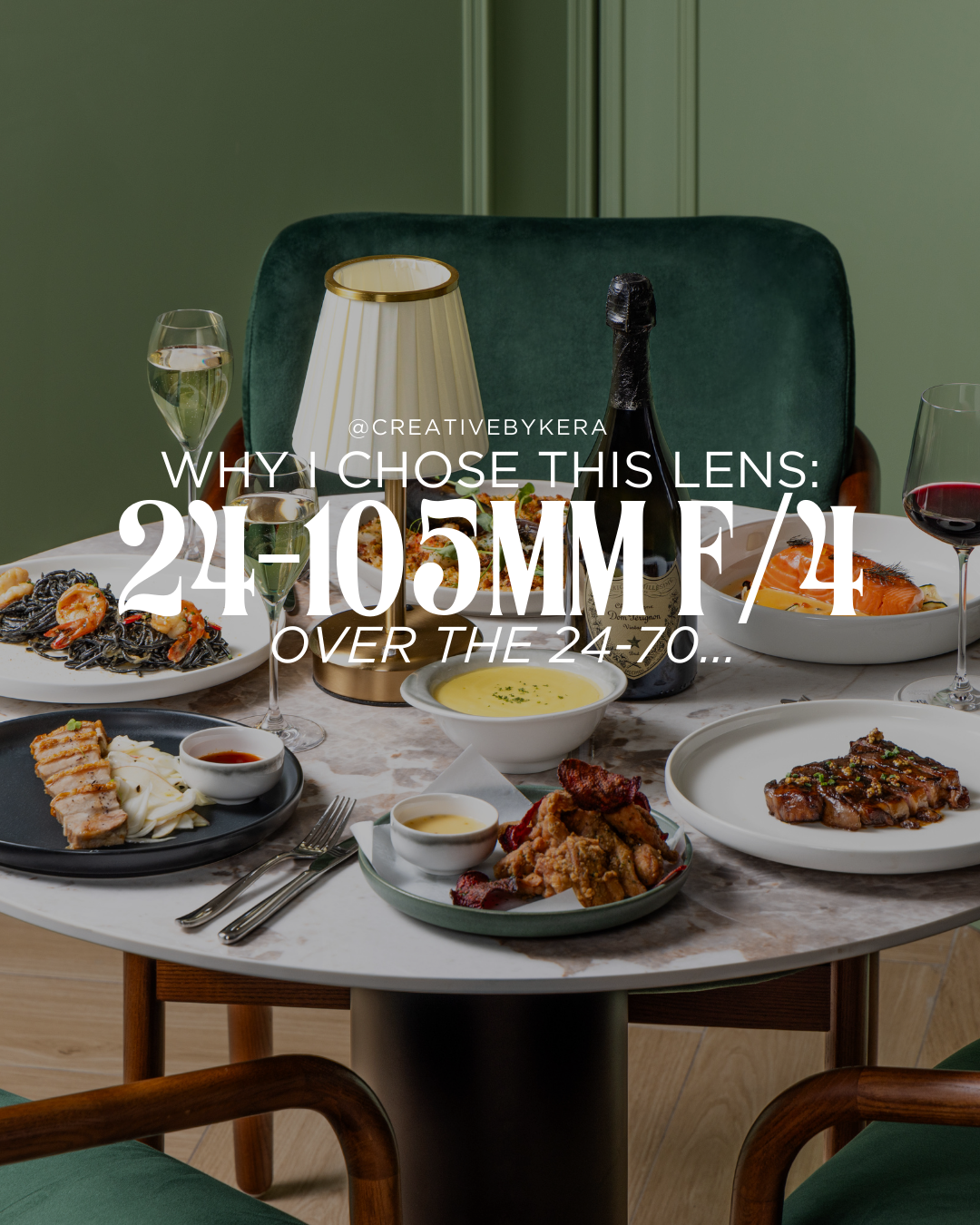
Photographers, you may have heard the universal advice—the golden rule handed down through generations: "Get yourself a 24-70mm f/2.8 lens."
That's exactly what I did, and I loved it. It was my workhorse for years. I even advocated for this lens to all my friends and followers because of its incredible performance.
But then, that lens broke (RIP). Instead of paying the high cost to fix or replace it, I did my research and made a conscious, strategic change. I did the previously unthinkable for a working professional: I bought a 24-105mm f/4 instead!
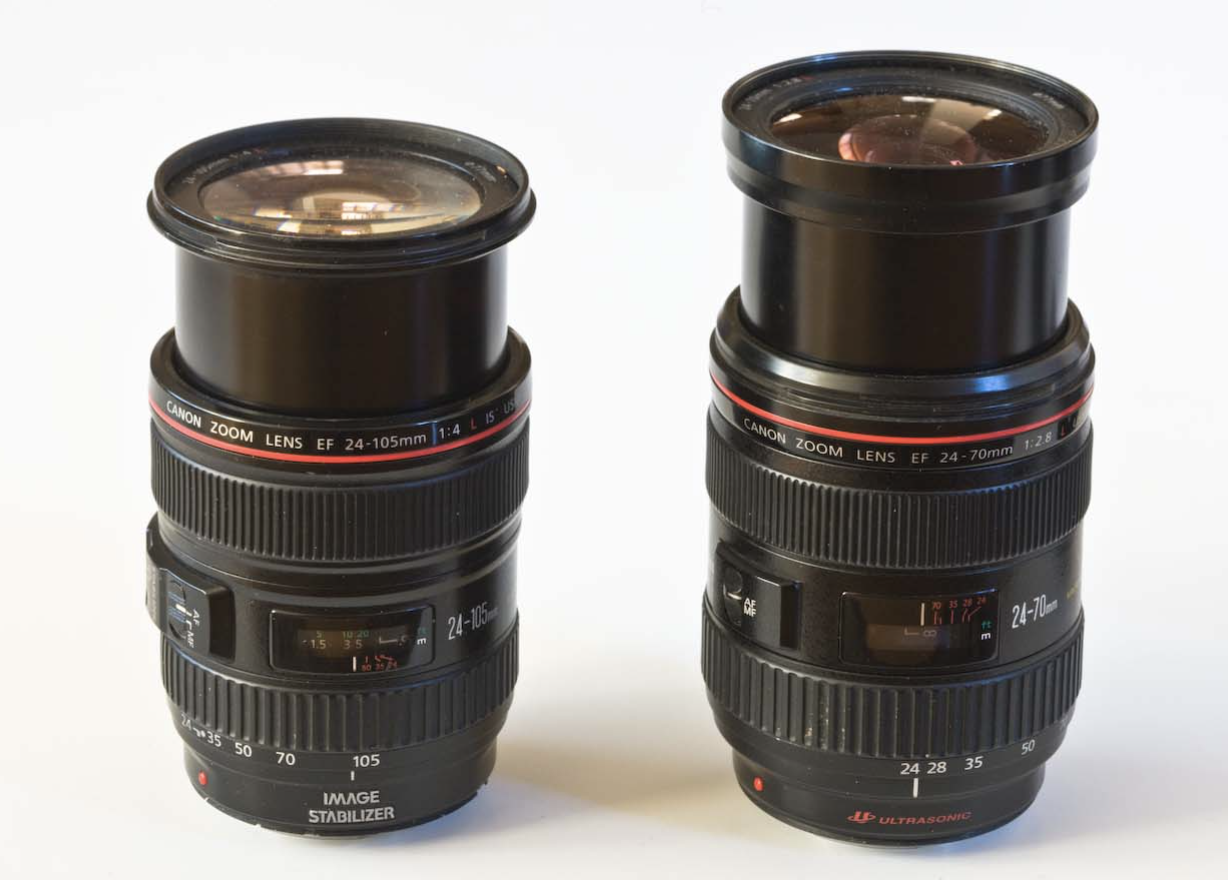
The switch was driven by economics and a deep dive into my personal shooting style. And if you're debating which of these professional zooms to invest in, here is my breakdown.
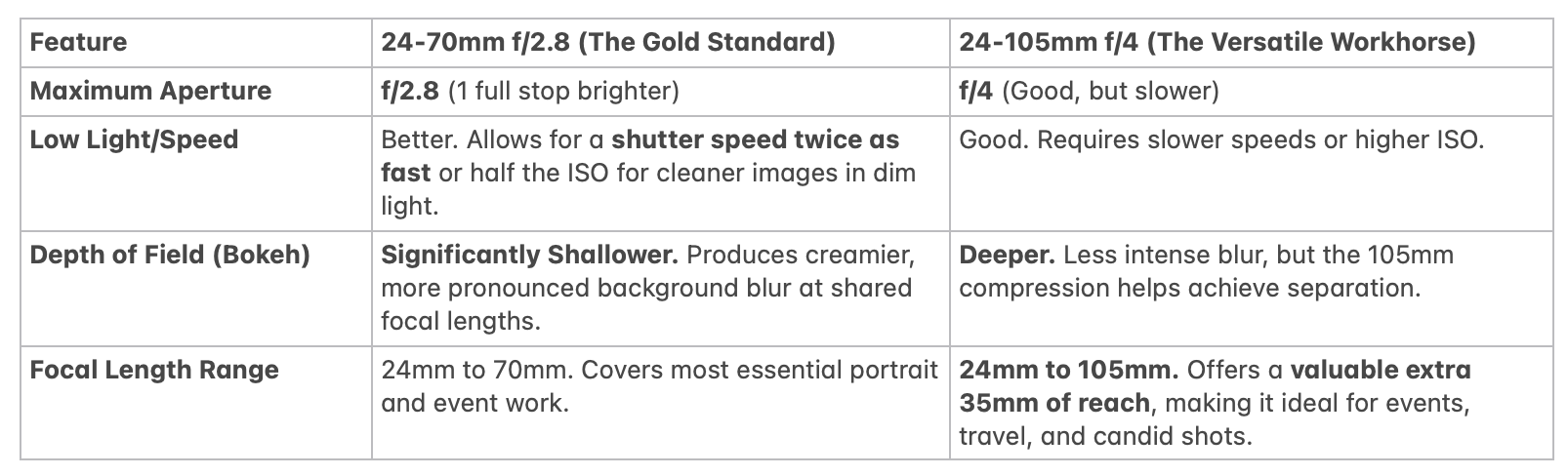
Aperture vs. Reach: The Zoom Lens Showdown
The choice between the 24-70mm f/2.8 and the 24-105mm f/4 is the ultimate photography trade-off: Speed and Depth of Field (f/2.8) vs. Versatility and Reach (105mm).
Addressing the Low Light Concern
The most common question I get about the f/4 is: "What about poor performance in low light?"
This is a fair point if you are a hybrid photographer, someone who relies solely on ambient light. For those scenarios, that f/2.8 aperture is a game-changer.
However, as a dedicated flash photographer, this is not a concern of mine. My style relies on controlled, artificial light. Since I'm bringing my own light to the scene, I often shoot at apertures like f/6.3 or f/8 anyway to ensure maximum sharpness and consistent exposure.
The f/4 aperture saves me size, weight, and money, without sacrificing my required performance. However, in times where this lens is used for capturing food in natural light, it’s still reliable to do the job required, as seen in the photos below.


The Real Advantage: 35mm of EXTRA Freedom
Ultimately, the decision was not just down to cost effectiveness, but versatility. The extra 35mm on the telephoto end is invaluable.
I love using my dedicated 100mm Macro prime, but I’ll admit it’s really nice to just use one lens for the majority of a session. That 105mm reach often means I don't have to swap lenses as frequently, keeping my workflow faster and cleaner.
My photography mantra is simple: Work smarter, not harder.

Using a 24-70mm with a focal length of 70mm. There is slight distortion towards the edge of the frame at the front.
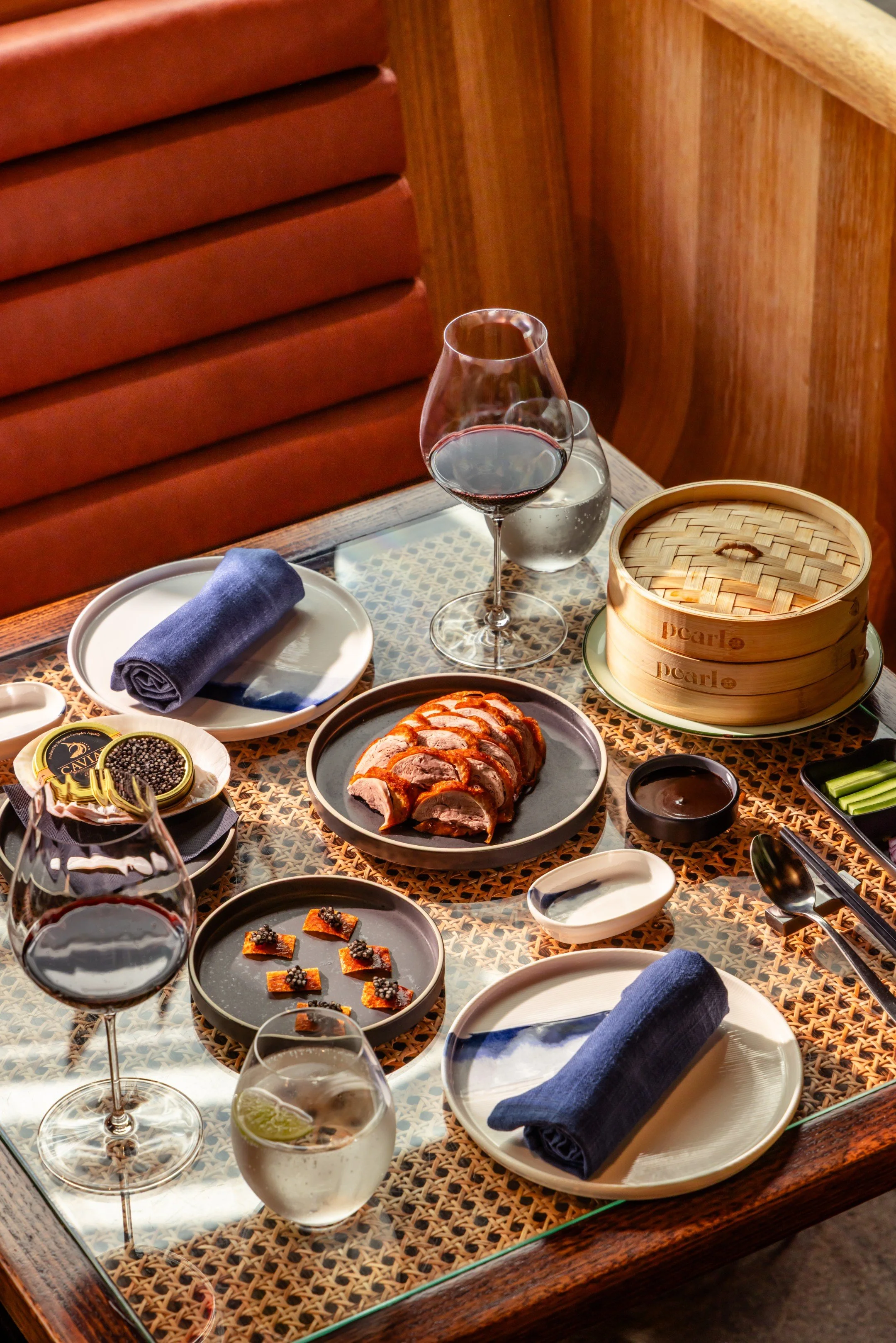
Using a 24-105mm at 100mm focal length. The subject matter “feels more compact”.
Zoom at 100mm vs. The Dedicated Macro Lens
Now, just because the 24-105mm goes to 105mm, does that replace my dedicated 100mm Macro? Absolutely not.
While the two lenses may share the same focal length (100mm), their images are vastly different.
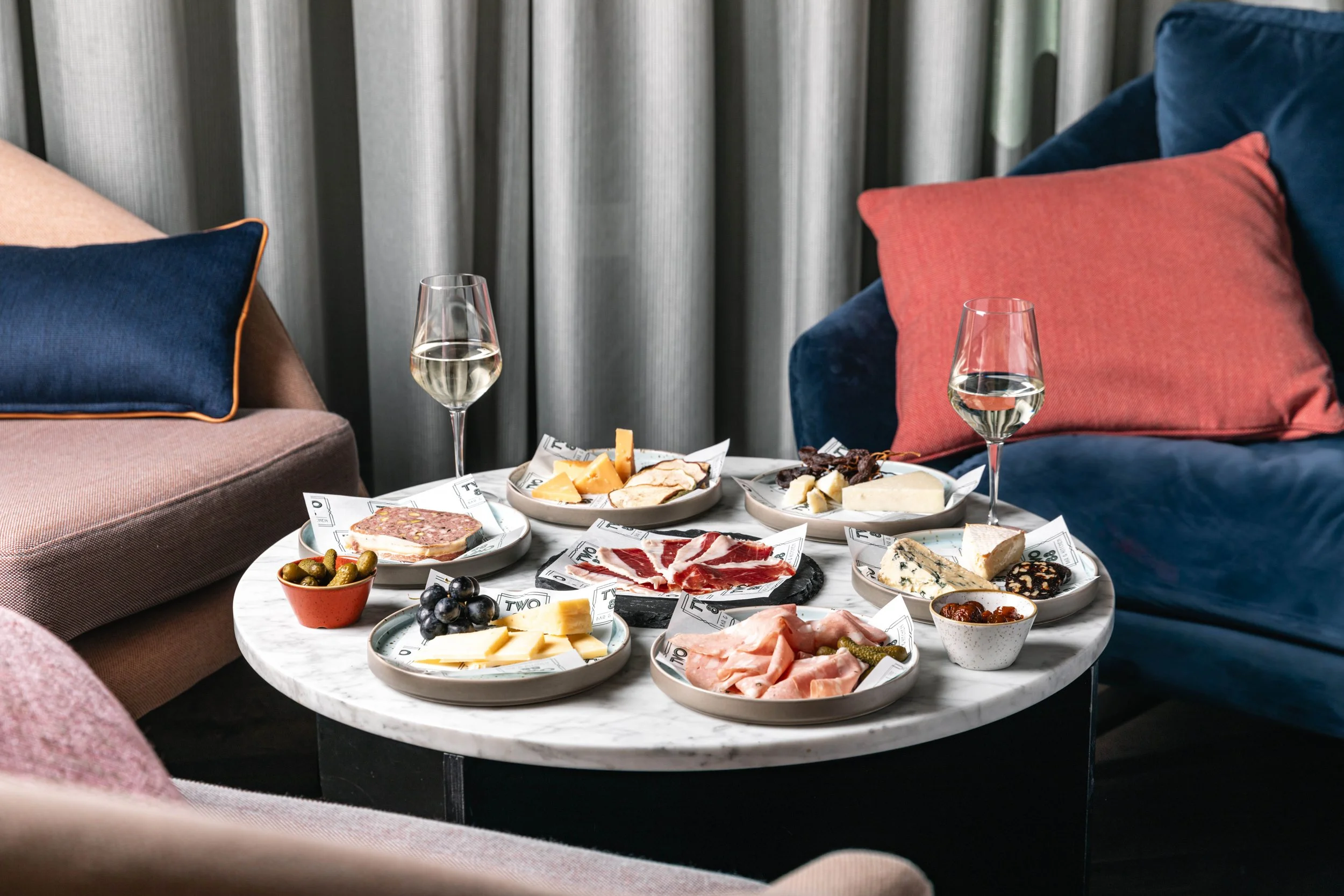
Using a 24-105mm at 105mm focal length
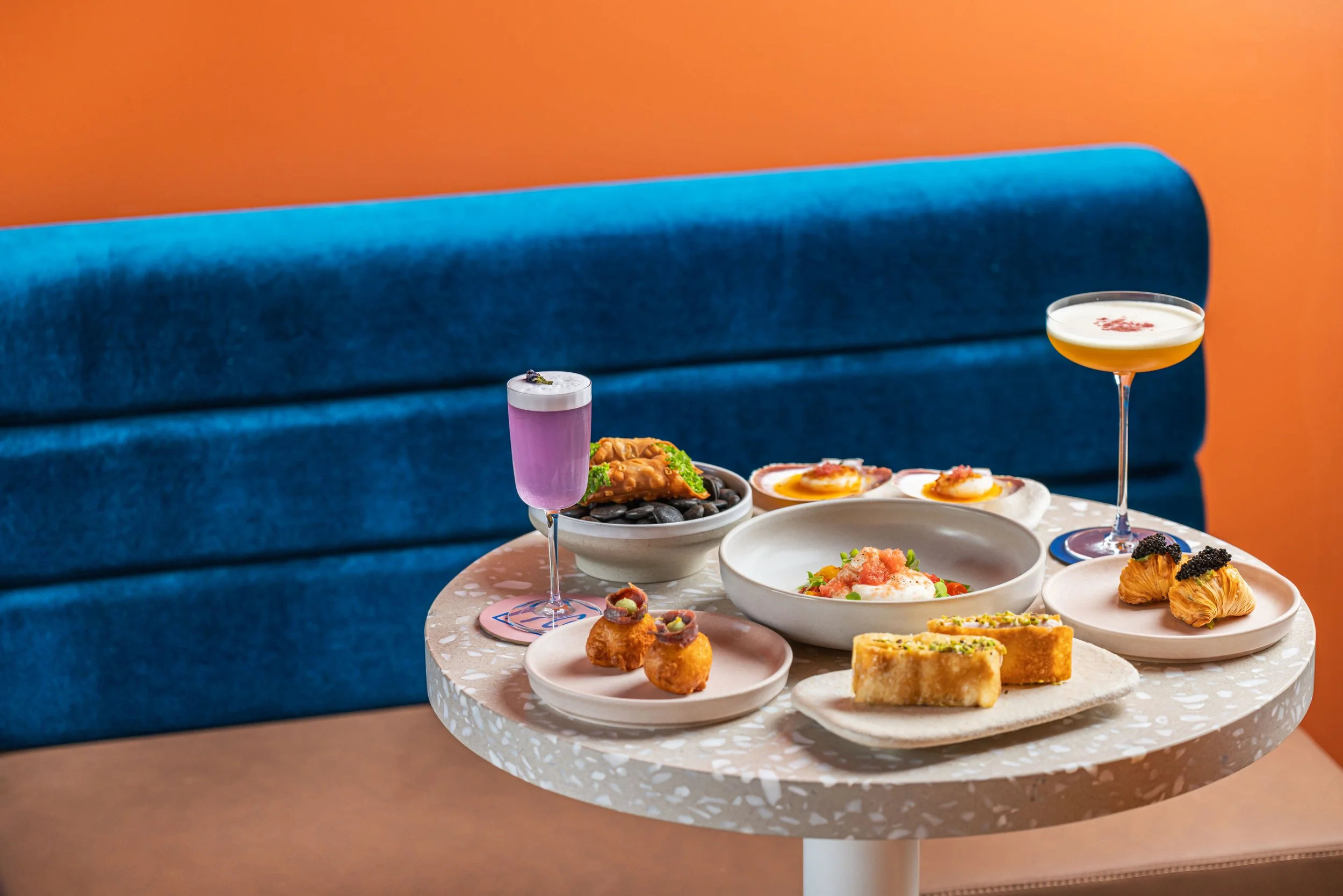
Using a 100mm Prime
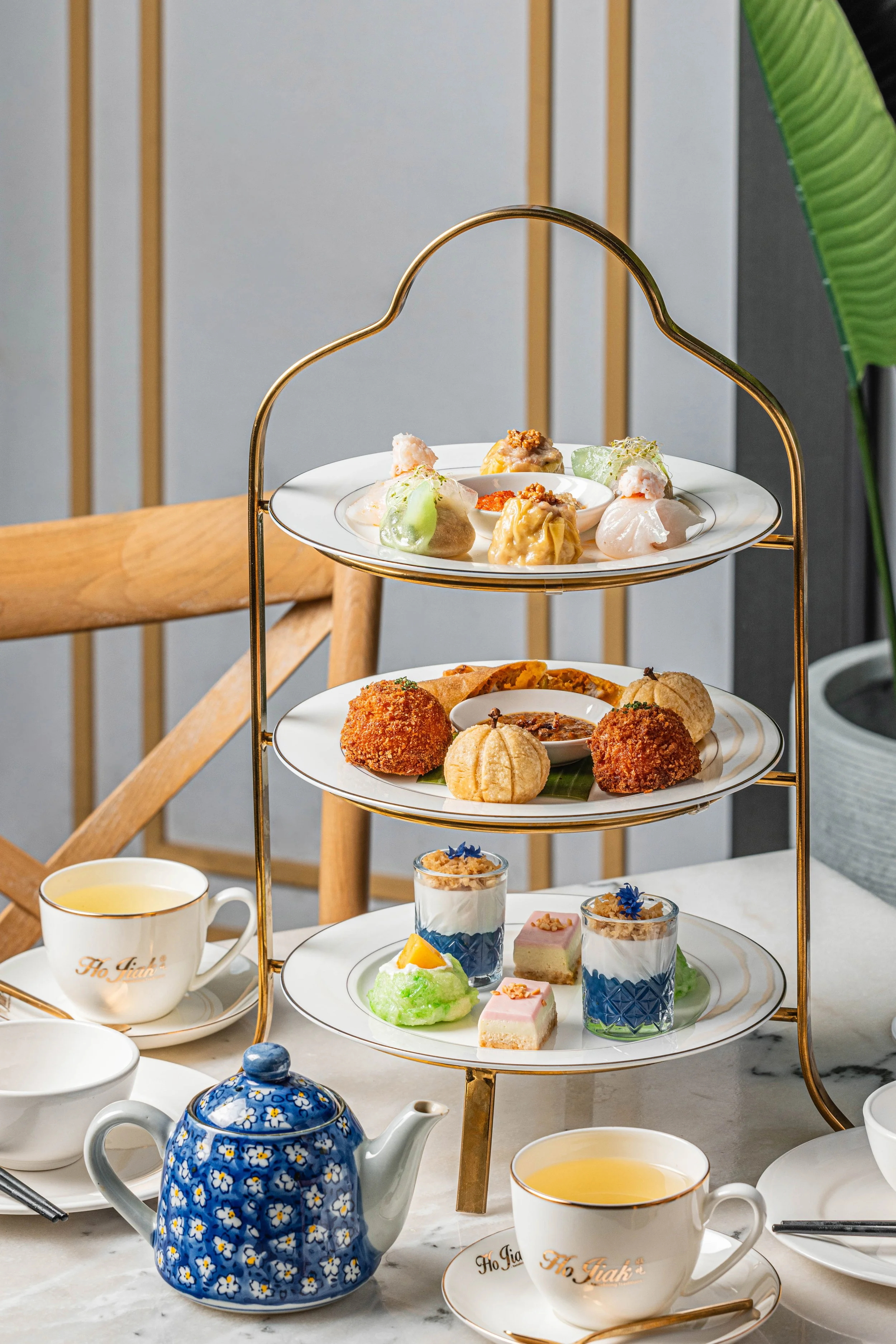
Using a 100mm Prime.

Using a 100mm Prime
Why I Still Need My 100mm Macro Prime
Magnification: The Macro is designed to achieve 1:1 Magnification (life-size). This means the image projected onto the camera sensor is the same physical size as the tiny subject itself. The 24-105mm simply cannot focus close enough to do this.
Focusing Distance: The Macro lens has an extremely short Minimum Focusing Distance (MFD), allowing you to get mere inches away from a subject like an insect or a product detail.
Optical Design: Macro lenses are built with Flat Field Correction. This ensures subjects remain perfectly sharp across the entire frame, which is essential for detailed close-ups of flat objects.
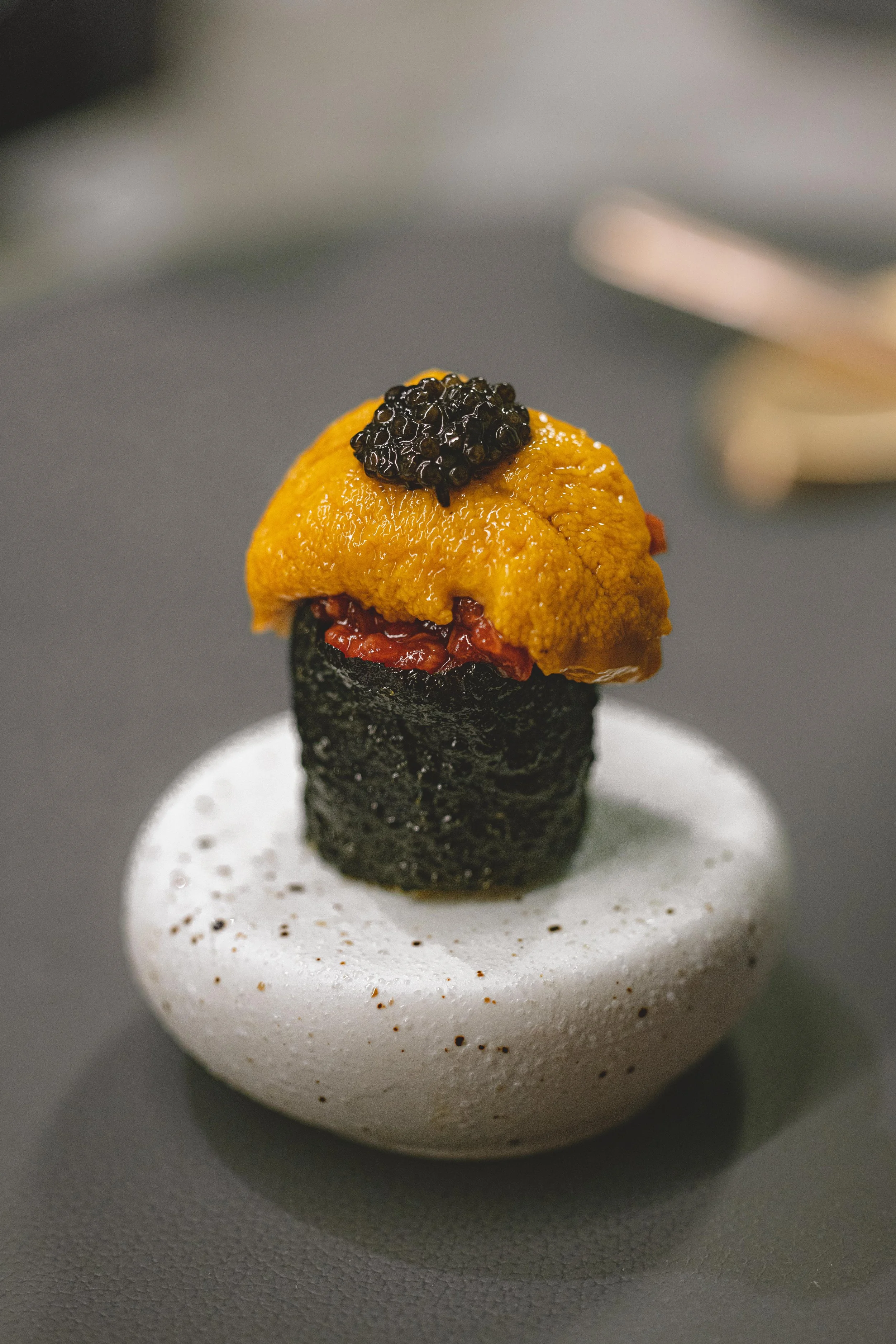
Using a 100mm Prime

Using a 100mm Prime
In Summary: The 24-105mm at 100mm is perfect for candid portraits and distant action. The 100mm Macro is essential for detailed close-up and product photography. They are partners, not rivals.