
6 Things I Wish I Knew When I Started My Photography Journey
Pro Tips from a Food Photographer: 6 Things I Wish I Knew When I Started My Journey
When you first dive into the world of photography, especially commercial work like food photography, it's easy to get lost in the gear, the editing, and the sheer volume of things to learn. Looking back on my early days, there are definitely a few key lessons that would have made the path smoother, faster, and healthier.
Here are the six things I wish I knew when I first started as a photographer:
1. Invested in Lighting Sooner
For over a year into my journey, I resisted artificial light, relying only on natural light. I was intimidated, convinced it would be too hard to master, and honestly, scared I would fail. See below, side by side, relying on mixed ambient light on the left, and artificial lighting on the right.

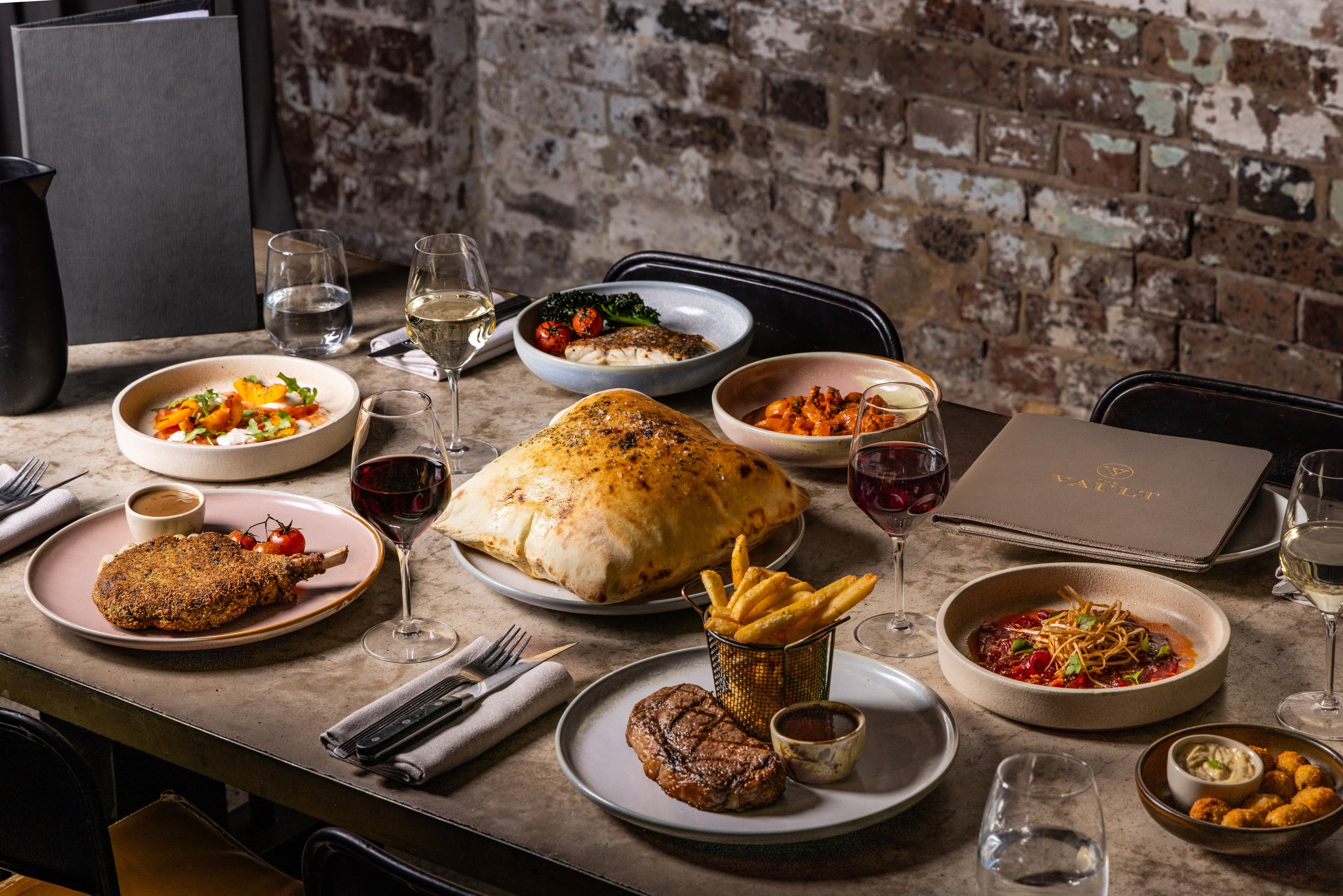
The Reality: The first time I used artificial light, it literally blew my mind. It gave me consistency, control, and the ability to shoot any time of day, regardless of the weather. Don't fall into the trap of overthinking it. Investing in and learning studio lighting is one of the most transformative steps you can take for your career.
2. Take it Easy on the Saturation
In the beginning, I loved everything to be colourful and spent hours experimenting with high saturation and vibrance. The result? Total overkill!


Over-saturation can be a fun artistic expression on social media, but for professional food photography, it often makes the food look unnatural and unappetising. See above, side by side, where there is overly colourful, and then there’s the “right amount of colour”.
Your clients are looking for realistic, tempting images that drive sales. Learn to love a balanced, true-to-life colour grade. Subtlety often sells better than aggressive vibrancy.
3. Organise Everything!
My early workflow was a mess. All my files, catalogues, and software applications were crammed onto my local drive. As my content library grew, drives filled up, files were repeatedly mislabelled, and my computer became progressively slower.
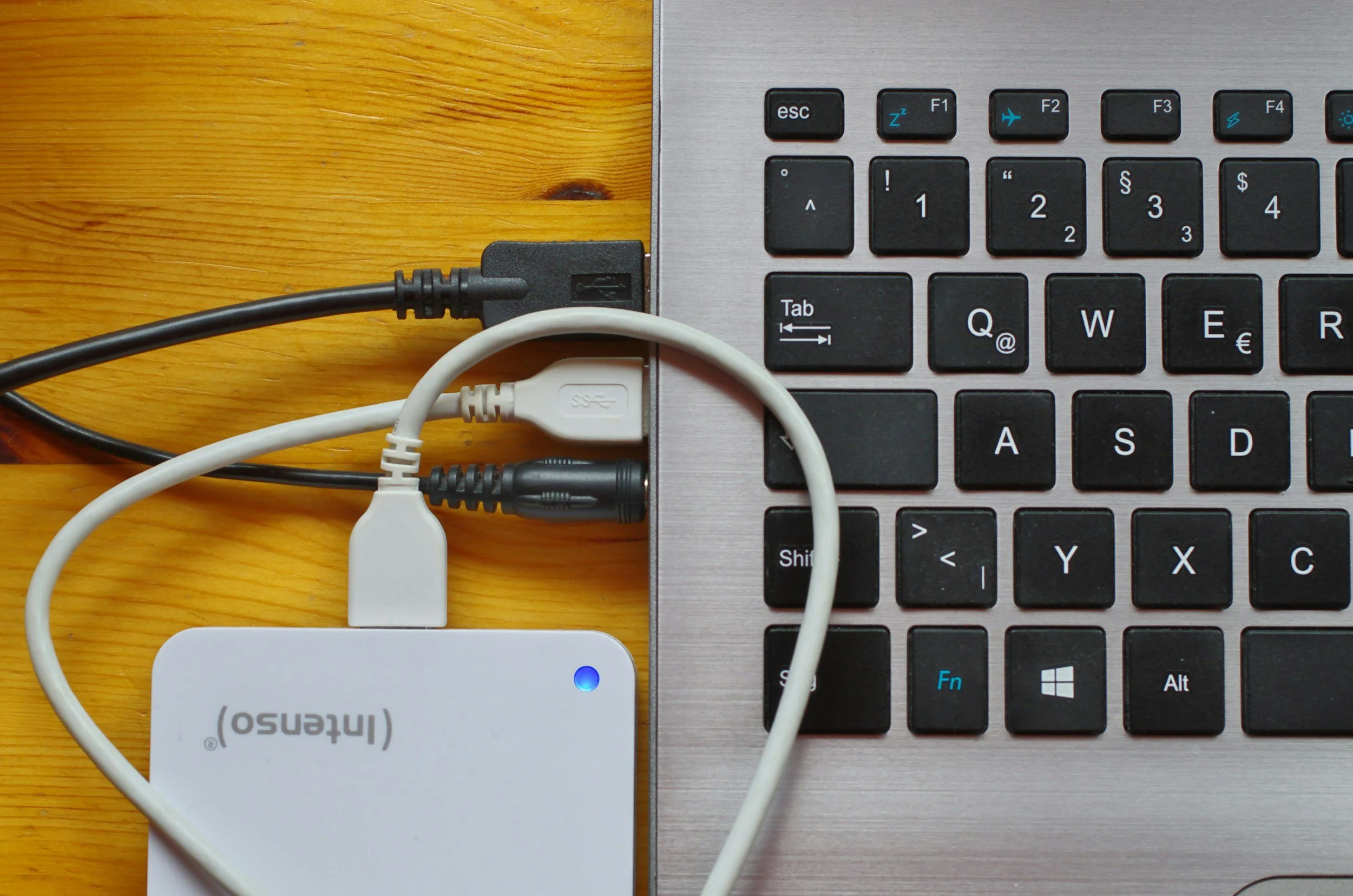
The Solution: You need a system! Now, I rely on external drives, specialised data transfer cables, internal file naming conventions (like YYYYMMDD_ClientName_ProjectCode), and strict workflow procedures. A clean, organised system is the secret to a stress-free and efficient creative life.
4. Stay Physically Fit
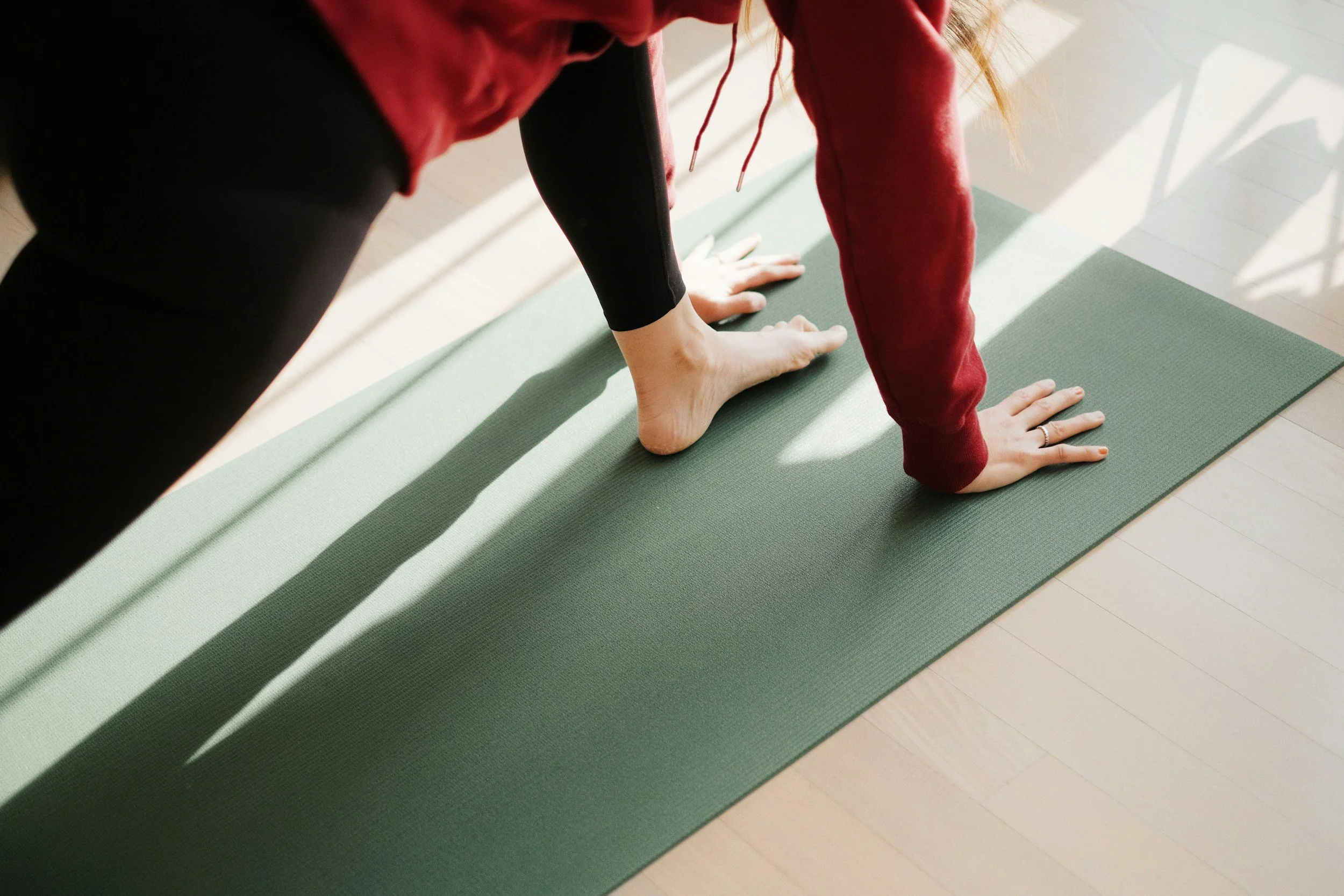
It sounds like non-photography advice, but trust me, looking after your body is a must. Along the way, I suffered from preventable, work-related injuries: tennis elbow, golfer's elbow, scoliosis, muscle spasms, joint fractures, and inflamed hips. All because I wasn't exercising to counterbalance the long hours of shooting and editing.
My Routine: Make time for resistance training, pilates, and yoga. Your physical health is your career longevity.
5. Find a Creative Community
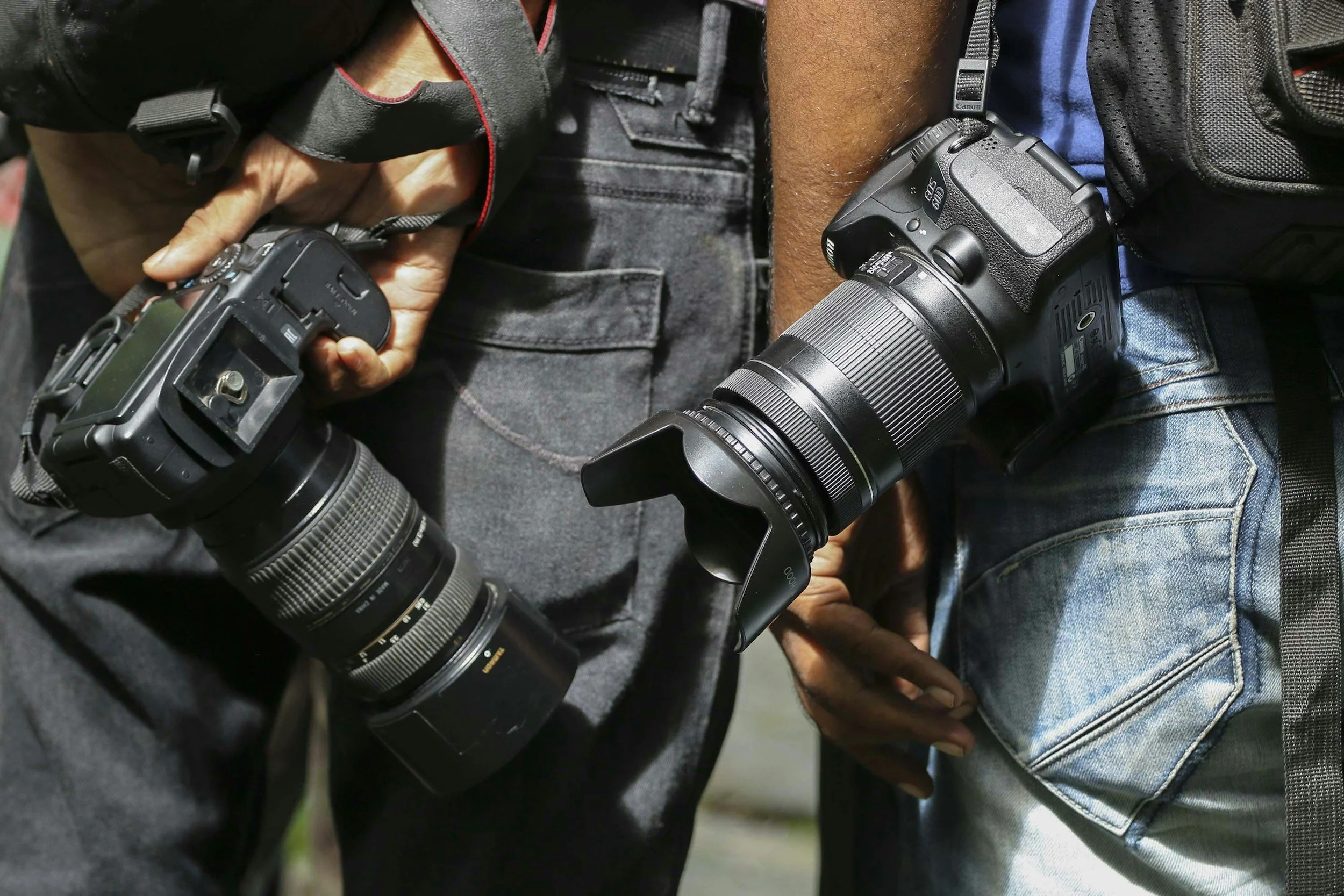
Working for yourself can be a lonely venture. Actively seeking out a community of trusted creatives you can vibe with is essential for support and inspiration.
Interestingly, many of the creatives I surround myself with aren't photographers or videographers! They are graphic designers, sketch artists, performers, musicians, and architects. Diverse creative connections offer new perspectives and help expand your thinking beyond your own craft.
6. If Photography Was Your Hobby, Find Another One

Photography started as my hobby, but once it became my career, it ceased being my purely fun outlet. Not having a new hobby was surprisingly stressful because I lacked a true escape.
The Takeaway: Find an activity completely separate from your business. Now, my hobbies include board games, long walks, yoga, wine tastings, cooking, visiting new restaurants, and enjoying one-of-a-kind food experiences. Having this outlet has made my professional life more balanced and enjoyable.